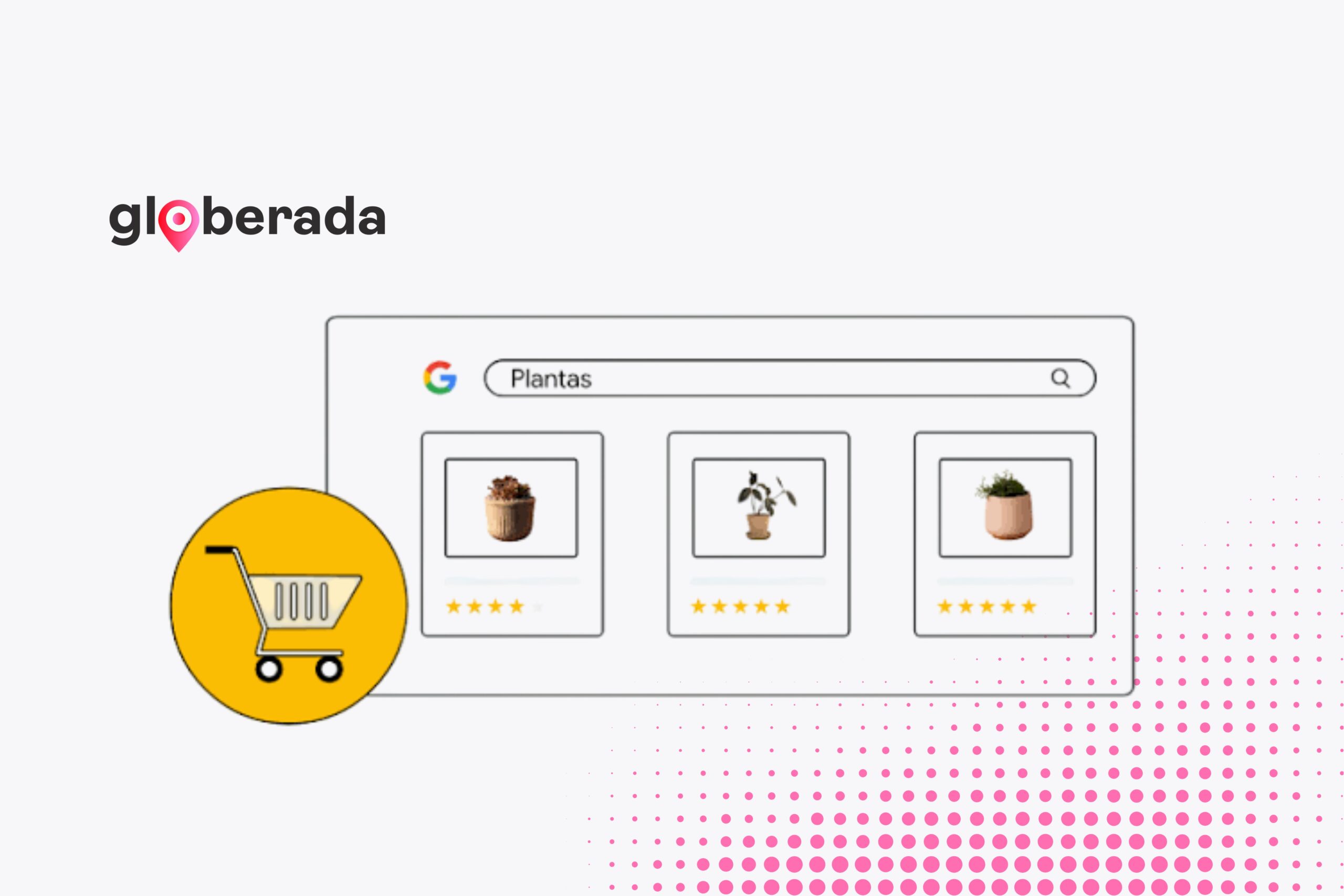
CPCs on Google Shopping remain one of the biggest concerns for many ecommerce businesses. Competition for high-volume searches is increasing, marketplaces have a stronger presence, and automated strategies make it possible to bid more aggressively across increasingly broad catalogues.
For many advertisers, Google Shopping remains one of the best-performing channels. But it is also one of the channels where acquisition costs can grow the fastest if investment is not properly controlled.
That is why, in a context where capturing qualified traffic is becoming increasingly competitive, it is important to diversify the way we generate sales without taking on all the risk.
Why is a CSS not “just another affiliate”?
Although the CPA model is often associated with the affiliate channel, a CSS does not work in exactly the same way as a traditional affiliate.
And that is precisely the problem: many advertisers still compare the CSS CPA model with the rest of the affiliate channel. Many affiliates rely on traffic they already have or generate through content, SEO, newsletters, comparison sites or their own databases.
But with a CSS, we do not wait for the conversion to happen before taking action. A CSS works directly on Google Shopping: it bids on products, competes in auctions and captures active demand from users who are looking to buy. We invest first: we manage bids on Google Shopping, take on the cost of traffic and optimise in real time with one clear objective — generating more sales for online stores.
Working with a CSS should not be seen as an alternative to your current PPC campaigns, but as a complement. Your brand remains in control of its strategy, campaigns and margins, while the CSS opens an additional route to capture qualified traffic under a performance-based model: you only pay for sales.
The problem is that many brands apply the same commission to all their affiliates. And that is neither fair nor efficient. Because not all partners generate value in the same way.
In fact, working with a CSS does not make bidding more expensive. Quite the opposite: it usually reduces your bidding costs compared to Google Shopping’s CSS. By using an external CSS, your budget goes further because you remove Google’s 20% margin. This means that if you bid €1, with Google Shopping only €0.80 is actually used to compete, whereas with a CSS partner the full €1 goes directly into the auction.
In our case, we work under a CPA model where we take on the real investment risk. We pay Google for every click, whether it converts or not. In other words, we invest before the sale is generated. That is why the commission is not just a cost: it is the lever that determines how far we can scale your campaigns.
Why this model reduces your exposure to CPC
In a CPC model, if auction costs increase, you as the advertiser feel it directly. Each click becomes more expensive. And if conversions do not follow, profitability decreases.
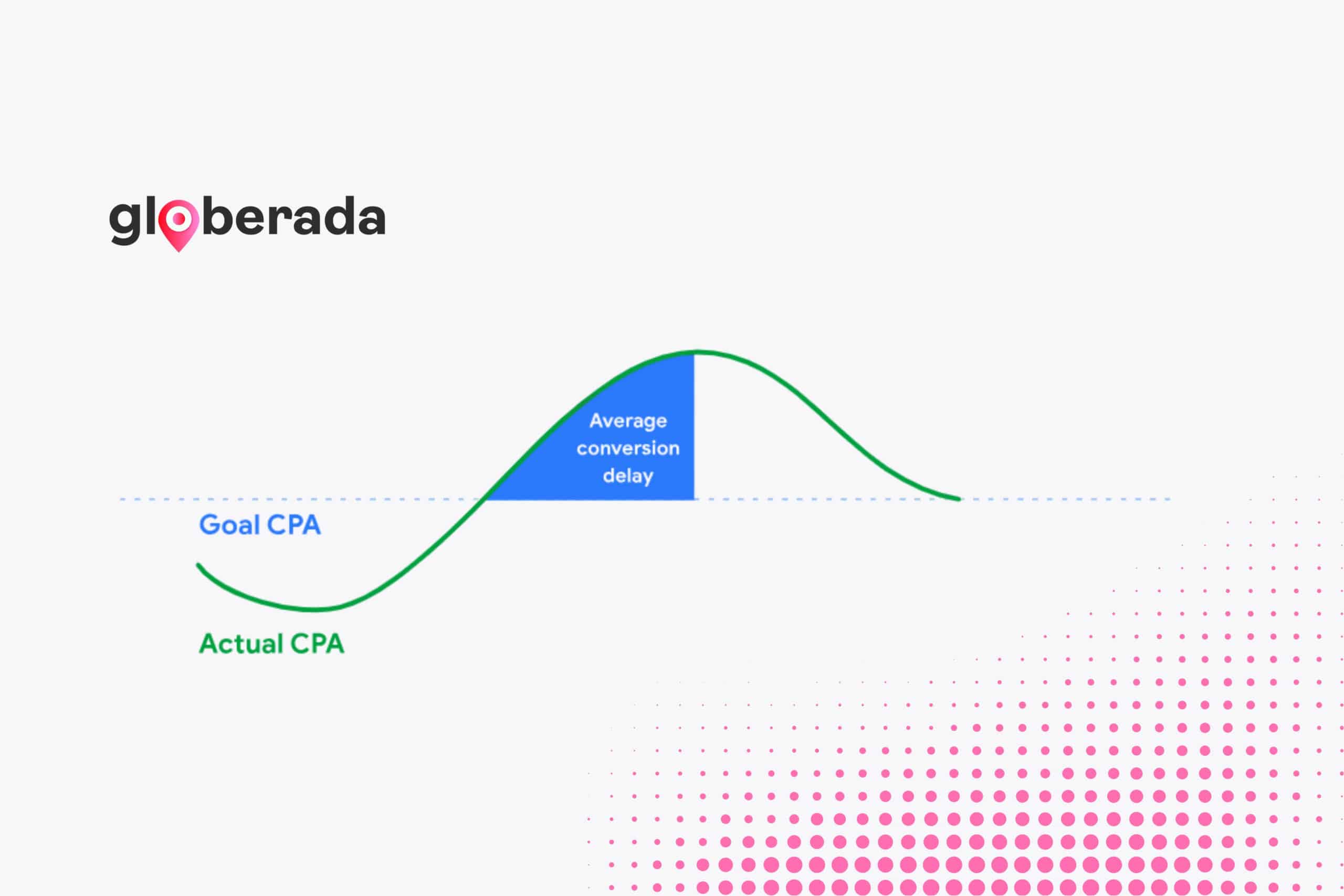
In a CPA model, you maintain a previously agreed commission for each sale generated. When the market becomes more expensive, at Globerada we improve the strategy to keep generating sales.
In fact, this forces us to be highly selective with the bids, products and searches we activate. It is not about buying traffic. It is about finding opportunities where there is a viable relationship between investment, conversion and commission.
The relationship between CPA, CPC and volume
This is where a key relationship comes into play, one that many brands do not always take into account:
- The higher the CPA, the greater the bidding capacity through CPC
- The higher the CPC, the greater the visibility on Google Shopping
- The greater the visibility, the higher the sales volume
When the commission is too low, our ability to compete is reduced. We focus on long-tail searches or less competitive terms. But when the CPA is competitive, we can enter more aggressive auctions, compete with larger advertisers and scale volume.
And you can work with several CSS partners at the same time
Even if you already work with a CSS, we recommend collaborating with two or three, because this expands your product appearance opportunities on Google Shopping and strengthens your catalogue’s presence in searches with purchase intent. When managed properly, a CSS should not be seen as competition against your own PPC campaigns, but as a complementary route to capture additional demand that you may not be reaching.
Working with several CSS partners gives you diversification and stability. For example, in a high-pressure period such as Black Friday, if there were a temporary feed issue, account suspension or similar incident, your campaigns would still be protected through the bids of other CSS partners.
If you are working with CSS or affiliate marketing and want to understand whether your current model is limiting your growth, we can help you analyse it. Remember, you can find us as a partner across the leading affiliate networks: Awin, Tradedoubler, Impact, Rakuten, CJ, Webgains… And if you want to better understand how CSS bidding works and why you should start collaborating with one, you can watch the official Google Ads explanatory video about CSS.
Leave us a comment or contact us through the form.